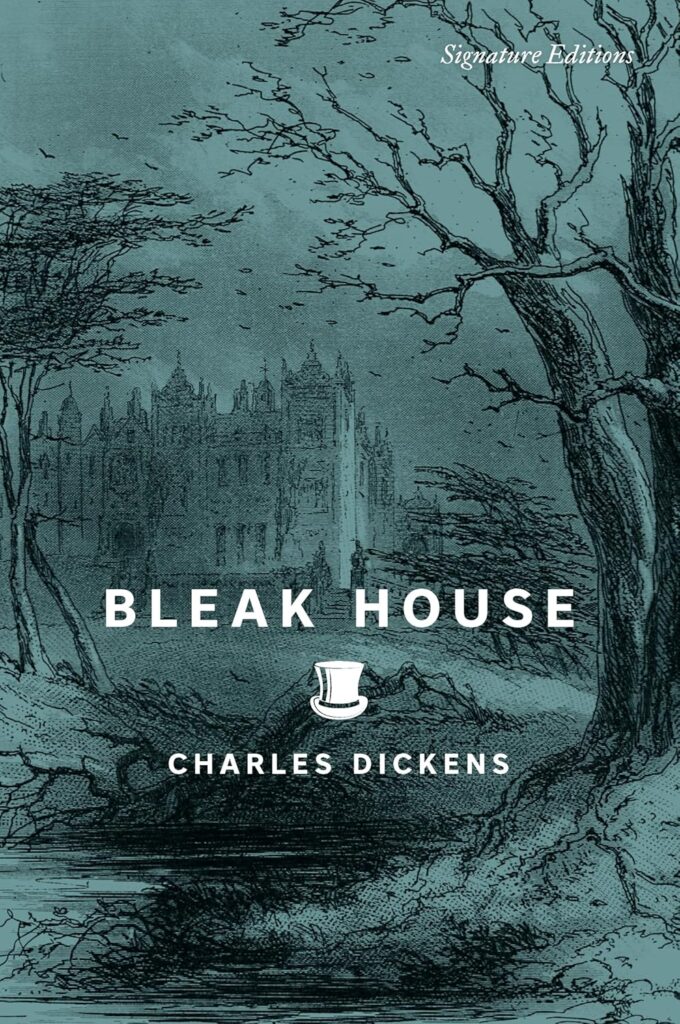

A few weeks ago, I was watching Hilary Layne’s video, How Modern Schools Make Terrible Writers (Deliberately), when she mentioned a study of midwest college literature students who were reading Bleak House. Oddly enough, I had started to read my own copy of Bleak House a week or two earlier and was thoroughly enjoying it. But that puts me at odds with the average midwestern college literature student who can’t understand the first seven paragraphs. Hear that again: college literature students cannot understand the first seven paragraphs of a Dickens novel.

It’s the apocalypse.
This is Dickens. Yes, not the best Dickens, a somewhat dense and at places rather incomprehensible Dickens, but Dickens, nonetheless, with his masterful prose and weaving of theme and subtlety and wry humor. It is upper-level English, inference and reference and the weaving of a complex story with a never-ending cast of characters ranging from the pathetic to the ridiculous, and you would expect literature students to have some affinity. But I guess things have changed.
Dickens’ base for this novel is the English Chancery Court and its examination of various civil matters that never, ever, come to a conclusion, providing decades of motion and counter-motion and a guaranteed living for the lawyers and clerks and support personnel while draining away the very estates and wills in discussion, leaving the plaintiffs and defendants in penury, and judges smug and assured in their maintenance of a system. A system that goes nowhere, does nothing, but that’s beside the point.
Into this eternal damnation comes the case Jarndyce versus Jarndyce, a dispute over property that has gone on so long it is now officially regarded as comedy, its participants driven insane, like the perfectly charming but perfectly mad Miss Flite with her reticule of papers and her dozens of birds she intends to free the day justice is served (so it looks like those birds are doomed) or the ones driven to desperation, like Richard Carstone, whose hopes of eventual wealth is a thin reed.
The story switches between an omniscient narrator and the first person view of Esther Summerson, who is one of the most abused and cruelly treated persons you’ll find outside of Oliver Twist, at least in the first few chapters. Esther is obviously someone’s shameful illegitimate child, something her guardian, Miss Barbary (aptly named), never lets her forget. Despite years and years of shame and abuse, Esther grows up downright saintly, filled with a surplus of compassion and selflessness and righteousness that makes Mother Teresa look like a dockworker. She is a bit too unbelievable but never mind, we have Victorian propriety and deportment to uphold. Boy, do we have deportment, manifested in the silly figure of Old Mr. Turveydrop, whose purpose in life is to stand about as its perfect representative.
After Miss Barbary’s death, Esther is adopted by John Jarndyce, one of the parties to the Chancery suit, who is almost as saintly as Esther and actually proposes to her later on in the novel, even though he is old enough to be her father. Any child of their union would be the Second Advent.
John adopts two other orphans, Richard and his cousin Ada, both of whom are also parties to the suit. I guess John wants to keep his potential opponents close. And Richard becomes his opponent, discovering that the Jarndyce will naming him conflicts with the one naming John. Richard becomes dissolute, pinning all his hopes and Ada’s resources on the resolution of the suit. Good luck with that.
Characters abound, some of them thrown in, I suspect, because Dickens knew someone like that and wanted to include them, whether they have anything to do with the story or not. Like Phil, the terribly crippled but superb gunsmith and valet to the retired soldier Mr. George, who runs a shooting club. My favorite is Mr. Bucket, the overly-competent police detective, stalwart and insightful and a guy you first dislike but he grows on you, especially when his compassion emerges. Jo is the most pathetic of the characters, a ten-year-old boy so horribly abandoned and treated that he makes Oliver Twist look like Richie Rich. And one character dies of spontaneous combustion. Okay. Yeah. Sure.
Another party to the suit is the Lady Honoria Dedlock, wife of the baronet Leicester Dedlock. She has a deep dark secret that you can probably guess. Someone else guesses it, too, and the Lady flees into the night, prompting a search and a death and a murder and a whole bunch of characters falling into disrepute or being raised into society and happiness and despair and it is masterfully told, masterfully woven.

And masterly written. The language is just a delight, and whether you can buy the situation or not, you can thoroughly enjoy the way Dickens presents it. This was written for literate people of the 1850s who didn’t really have anything else to do at night but delight in the subtleties and nuances of a dense, complicated, and never-ending novel. I mean, you had sing-alongs or whist tournaments but c’mon. And it’s not like you could pull up the BBC adaptation and watch it all in one or two settings. No. You sat. You read. You savored.
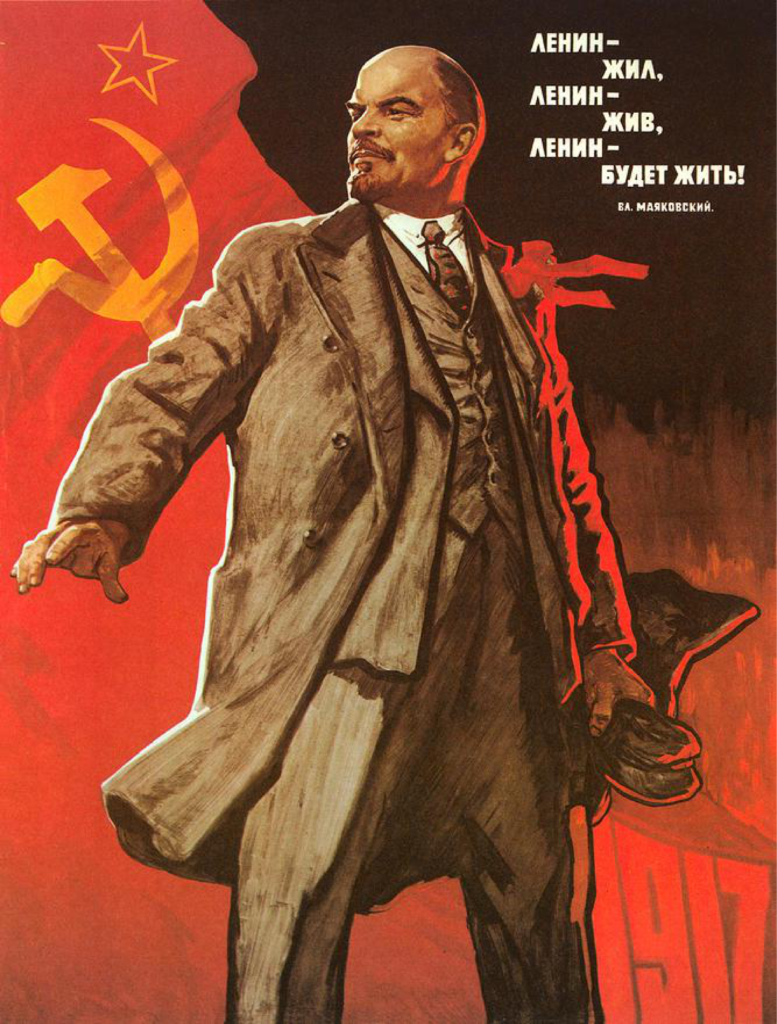
Which requires a maturity and experience of the written word that is missing today, downright ridiculed. Such colonial oppressive patriarchial and racist employment of language in support of the running dog lackeys of the imperialist capitalist class! The subordination of women, the toxic masculinity, the abuse of the proletariat … oh! Down with it! And down with anyone who thinks this is great writing. We want stark, minimalist writing that eschews adverbs. And prologues.
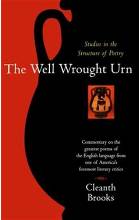
Layne points a very valid finger at reading instruction and critical literacy, the illegitimate child of modern literary criticism, for the lack of Bleak House appreciation. Modern literary criticism … yuck. I was forced to study it while getting my own literature degree. I paid attention during the first week, when The Well Wrought Urn was discussed. I mean, trying to figure out if the author’s intent was actually conveyed by the words and structure used? Well, sure, what’s the other purpose of reading? Apparently, as I discovered in subsequent weeks, to apply the Marxist dialectical examination of the latent oppression and colonialism of language, in which words have other meanings than what you expected and a subtext of Western cultural dominance, as discovered and proclaimed by such geniuses as Foucault and Fish and Derrida. I stopped paying attention after that first week.
No wonder midwestern college students can’t understand Bleak House.