
The Roaring Twenties, the Jazz Age, flappers and gangsters and speakeasies, a wild and loose decade until it all came crashing down. Things fall apart, the center cannot hold, and what rough beast, its hour come round at last, slouches towards Bethlehem to be born? This is the decade of the Lost Generation Modernists, the writers who rejected all the rules defining proper literature and wrote the most extraordinary, revolutionary, and sometimes ridiculous novels, changing books from light parlor entertainment to stark exposures of a dangerous, uncertain world. Every author today owes their craft to these madmen. And mad women.
So many great novels were written during this time that picking the best from each year of the decade is impossible. But I’m going to do it anyway. My opinion, somewhat informed, and, yes, I’m probably overlooking the scholarly and popular choices. By choice. Now, the best book is not necessarily the best-selling book, which I covered on my YouTube channel. In 1920, the best-selling book was Zane Grey’s The Man of the Forest.

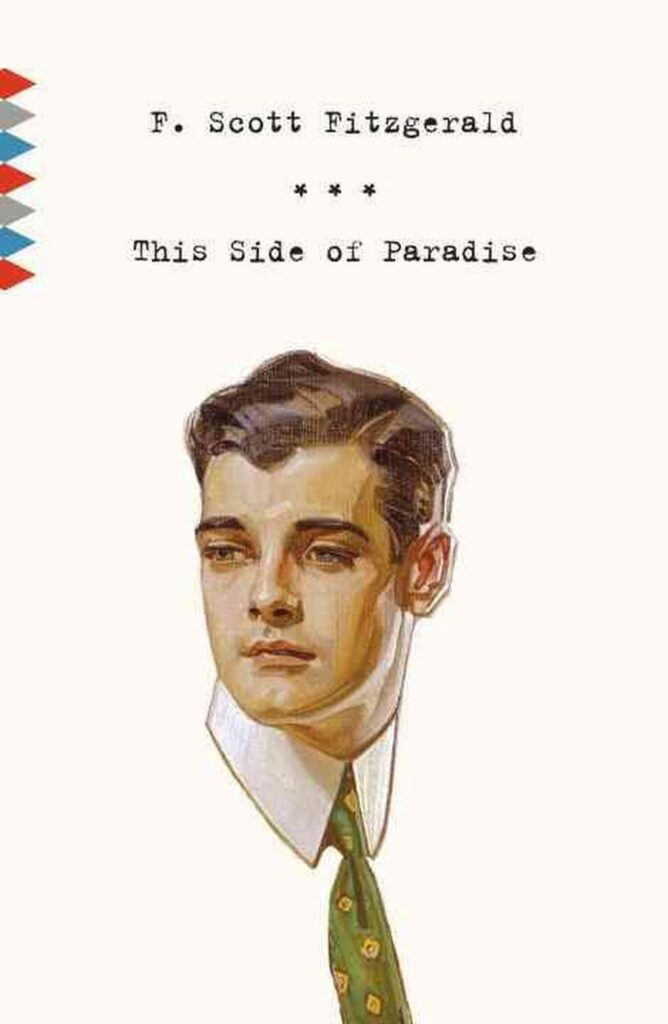
The best book of 1920 was This Side of Paradise, F. Scott Fitzgerald. Amory Blaine, a student at Princeton, fails his way out of the school and into the Army and the trenches of WW1 and then to New York and several failed romances and dabbling in socialism until he finds himself back at Princeton saying, “I know myself, but that is all.” The novel is actually about the Lost Generation, the young men and women who fought WW1, but somehow it became associated with the Jazz Age generation who were adolescents during WW1. Probably that was due to the novel’s hedonism, which was a big issue in the 20s.
Lots of other great novels came out this year, including Sinclair Lewis’ Main Street, the first volume of Proust’s In Search of Lost Time, and Edith Wharton’s The Age of Innocence. But this one caught the zeitgeist.
1921- Alice Adams, by Booth Tarkington. Alice is the daughter of a lower-class couple who is determined to better her circumstances and, through a series of lies, manages to catch the interest and intents of a rich young suitor. The novel documents the inevitable failure of her plans. Tarkington won the Pulitzer Prize for this novel and it was later turned into a movie Tarkington is one of the best writers of the early 20th century and you can’t go wrong with any of his books.
Other novels published this year includes Aldous Huxley’s first, Crome Yellow, Virginia Woolfe’s first story collection called Monday or Tuesday, and F. Scott Fitzgerald’s The Beautiful and Damned, which is more properly a Jazz Age novel than This Side of Paradise.
1922- Ulysses, James Joyce. Personally, I liked Herman Hesse’s Siddhartha better, but the influence and power of Joyce’s novel cannot be denied. It is, simply, a masterpiece. I’ve only read it once. That was sufficient. A day, 16 June 1904 to be exact, in the life of Leopold Bloom and Molly Bloom and Stephen Dedalus, all of Dublin, whirling between them and Ulysses and Penelope and Telemachus, filled with allusion and obscure reference and puns and well, it’s just astonishing. You have to read it. You have to.
Rafael Sabatini’s Captain Blood came out this year, as did A. A Milne of Winnie the Pooh’s fame only mystery novel, The Red Room Mystery. And Virginia Woolfe’s Jacob’s Room, another modernist novel.
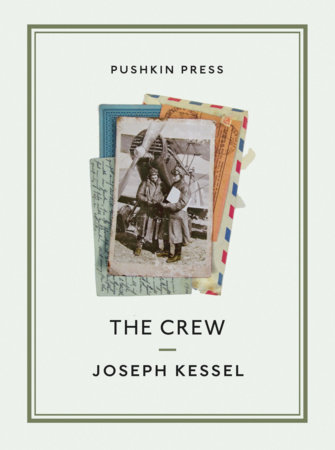
1923- Probably the most notable books this year were Aldous Huxley’s Antic Hay and Ernest Hemingway’s first actual publication, Three Stories and Ten Poems, which had a 300 copy print run, so if you happen to have one, you might be in for some cash. Liam O’Flaherty’s first novel, Thy Neighbor’s Wife, came out this year and it’s a pretty decent story about a woman who returns to her island home with her young husband to discover her childhood love is now the village priest. But the best novel is Joseph Kessel’s The Crew, the story of a two-man reconnaissance aircraft flying over the trenches of France, the pilot in love with the observer’s wife. Lots of lusting after neighbor’s wives this year.
Dorothy Sayer’s Lord Peter Whimsy makes his debut in the novel Whose Body? Oh, and Khalil GIbran’s The Prophet came out this year but let’s not talk about that.
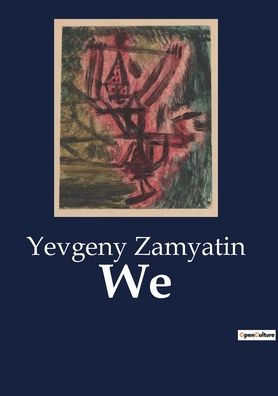
1924- Boy, this was a big year, with the first novel of Ford Maddox Ford’s Parade’s End tetraology, called Some Do Not, Edna Ferber’s Pulitzer Prize Winning So Big, Edgar Rice Burrough’s The Land That Time Forgot, and E. M. Forster’s extraordinary A Passage to India coming out. But the best novel is Yevgeny Zamyatin’s We, a devastating dystopian novel about a repressive future soviet state that heavily influenced Brave New World and George Orwell’s 1984.
1925- Another extraordinary year for literature, with Virginia Woolfe’s Mrs. Dalloway, John Dos Passos’ Manhattan Transfer, and Theodore Drieser’s An American Tragedy coming out. But the absolutely hands down best, The Great Gatsby. There’s no further discussion.
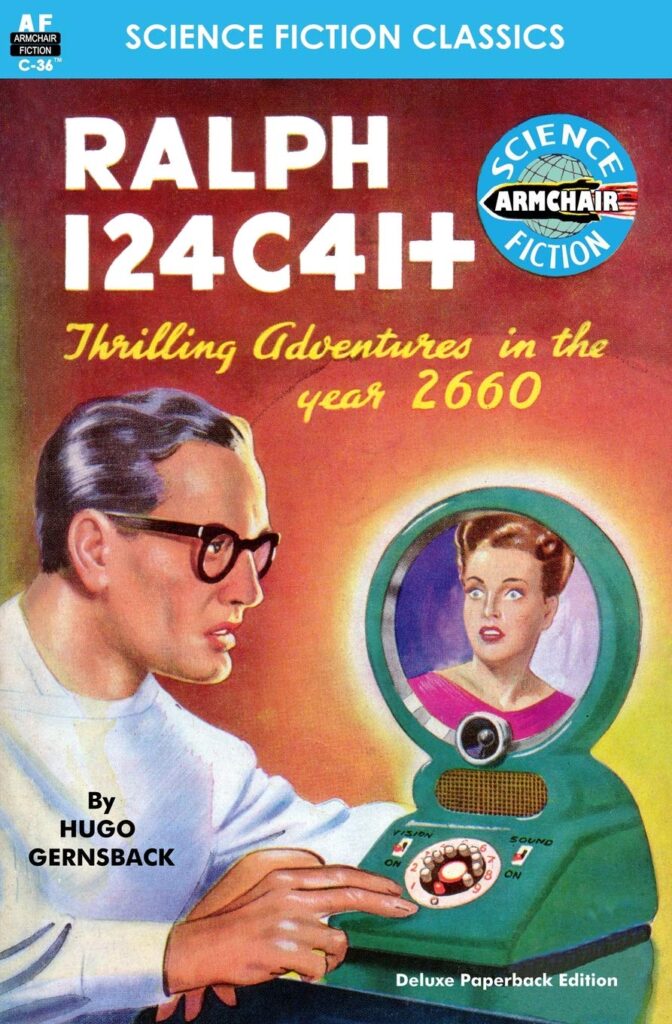
1926- And the hands-down winner is Hemingway’s The Sun Also Rises which, if you have to pick a single novel that epitomizes the whole Modernist/Lost Generation zeitgeist, it’s this one. The dissolute lives of the Paris expatriate set, with bullfights and promiscuity and an unfortunate war wound. But there were several other extraordinary novels published at the same time, including The Castle by Franz Kafka; Soldier’s Pay, which is William Faulkner’s first novel; Vladimir Nabakov’s first novel, Mary; and the first appearance of the Marquis de Sade’s writings, over a hundred years after his death, as well as Hugo Gernsback’s first science fiction novel, Ralph 124C 41 +, which had been serialized in the magazine Modern Electronics.
1927- Elmer Gantry, by Sinclair Lewis, the best and maybe the first novel of religious hypocrisy, piety masquerading a terrible lust for power and sin. Banned in Boston and denounced from pulpits, some clerics called for Lewis’ imprisonment. If you’re taking flak, then you must be over the target. Another muckraking novel, Oil by Upton Sinclair, was published this same year and served as the loose inspiration for the movie, There Will Be Blood. The very first Hardy Boy’s mystery, The Tower Treasure, also came out this year, as did Thornton Wilder’s The Bridge at San Luis Rey, which won the Pulitzer Prize, and The Treasure of the Sierra Madre by B. Traven, where you don’t need no stinking badges.

1928- All Quiet on the Western Front, Erich Maria Remarque, the quintessential WW1 novel, if not the best war novel of all time, although there’s lots of competition for that title, From Here to Eternity, Johnny Got His Gun, among others. Stirred by patriotic speeches from his teacher, Paul Baumer and the rest of his class volunteers for the German Imperial Army and, well, things don’t go as promised. DH Lawrence’s Lady Chatterly’s Lover came out this year to subsequent furor and obscenity trials but, today, seems a bit mild. Evelyn Waugh published Decline and Fall, the rather hilarious take on English schools, and The House at Pooh Corner came out.
1929- The year that blew up the Roaring Twenties had several extraordinary novels published, including Faulkner’s The Sound and the Fury, Hemingway’s A Farewell to Arms, and Graham Greene’s first novel titled The Man Within. But the best is Thomas Wolfe’s Look Homeward Angel, which launched the career of probably the best American writer of the century. Yes, that is mere opinion, but the mad prose and astounding depth in his novels has captured the American soul better than anyone else. Yes, there are competitors to the same claim, including Faulkner and Sherwood Anderson, but there is a storm in Wolfe’s novels the others don’t quite invoke.
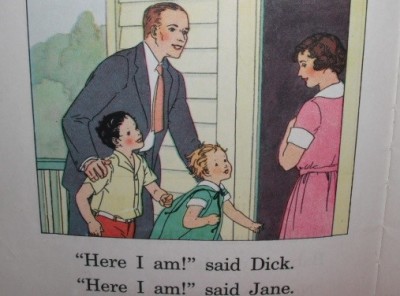
1930- What could possibly be the best book of the fallout year from the collapse of the stock market? Well, that would be Faulkner’s As I Lay Dying, an extraordinarily disturbing tale of the Bundren family’s efforts to bring the body of their matriarch, Addie, back to her Mississippi hometown for burial. Obviously, this novel was in production before the Crash but it seems appropriate for the event. And it is Faulkner’s best novel, IMHO. The first Dick and Jane primer came out this year, as well as the first Nancy Drew, The Secret of the Old Clock, and The Little Engine that Could. Which also seems appropriate for the event.