Funny, isn’t it, how every decade has its own identity, like we all get together on Jan 1st of the new decade and decide to run things differently than the previous ten years? We’ve got the Roaring Twenties, the Gay 90s (which doesn’t mean what you think it means) those Swinging 60s … what’s this one going to be called, the Out of Your Mind 20s? I guess.
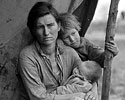
And here we have the Dirty Thirties, so named because of the Dust Bowl and the Depression and the rise of Fascism and Nazism and all kinds of ‘isms, including American Socialism as introduced by FDR and from which we are still suffering. It’s almost like the decade was raising up a whole generation of really tough people to maybe, I don’t know, fight WW2? I’m sure the Starving Okies appreciated the training.

So what were the best books of such a traumatic decade? Again, as in the previous reviews, I’m not focusing on the best selling or most popular novel, but one that I, in my quite subjective opinion, thinks represents the best of the lot. Your mileage may differ.
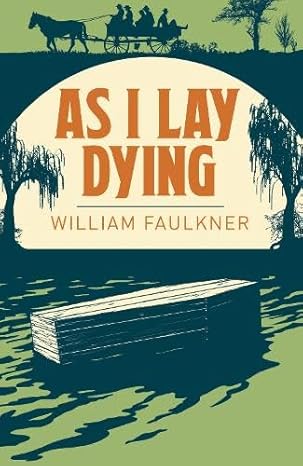
1930- As I ended the last review with this year, we’ll start with William Faulkner’s As I Lay Dying, the extraordinarily disturbing tale of a backwoods low class family’s journey across Mississippi to bury their just passed matriarch in her hometown. They didn’t have effective body preservation techniques back then so you can imagine how this progresses. Or decays. The first Dick and Jane primer came out this year, as well as the first Nancy Drew and The Little Engine That Could, which is all just uplifting and cute. Faulkner, though, had the pulse.
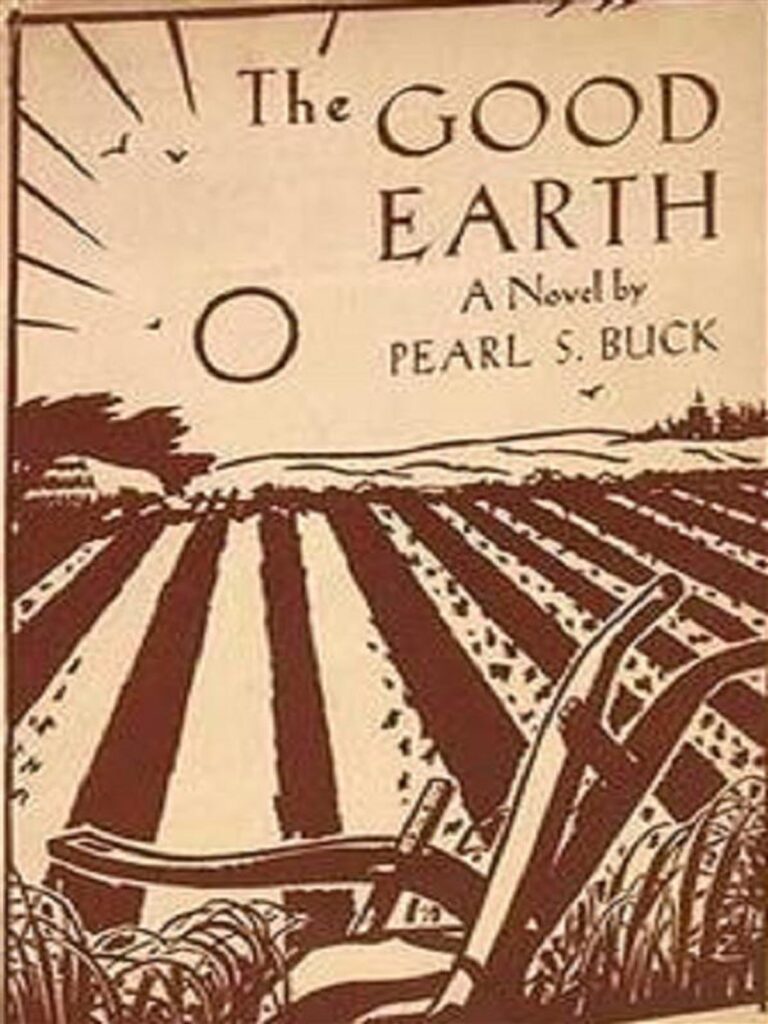
1931- The Good Earth, Pearl S. Buck. The best-selling novel of this year and next, the winner of the Pulitzer Prize in 1932 and one of the reasons she won the Nobel Prize for Literature in 1938. Reading at times more like a horror story than a family saga, the novel traces the lives of Wang Lung and his wife, O-Lan, through drought and war and riot and, finally, a measure of prosperity. This is not a rags to riches story as it is a survival of the fittest. Or luckiest. Or ruthless. A lot of people have criticized Buck for racial stereotyping, but she wrote about Chinese village life that she personally observed as the daughter of a missionary. The novel is credited with turning American sympathies towards the Chinese during their war with Japan.
Other notable books this year include Faulkner’s Sanctuary, Virginia Woolfe’s The Waves, a couple of PG Wodehouse novels and Nevil Shute’s, of On the Beach fame, Lonely Road.
There was also an avalanche of mysteries, from locked rooms to whodunnits, from authors like Agathie Christie and Dashiel Hammet and Ellery Queen. Seems the reading public had developed an appetite.
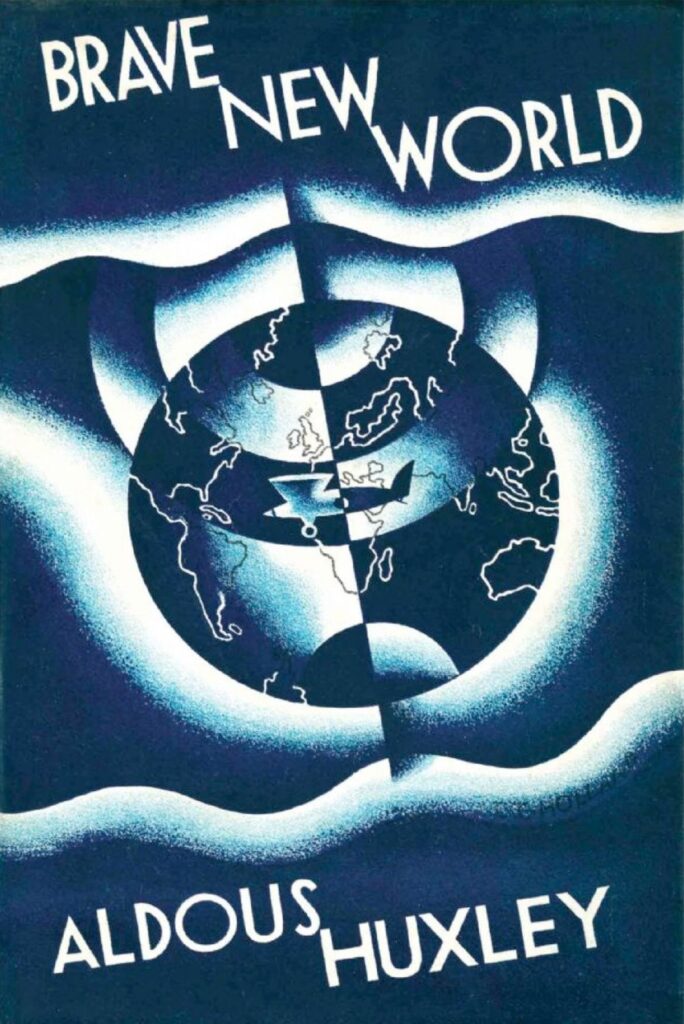
1932- Brave New World, Aldous Huxley. Absolutely amazing that a novel so prophetic could have been produced so early, and I don’t mean the technology of cloning and transportation, but the obsession with pleasure over responsibility and the outright dismissal of, and separation from, others of lower birth. Talk about a hidebound society addicted to its sensations and privileges. It’s not that Huxley was a seer, but someone who understood where unchecked self-absorption could lead.
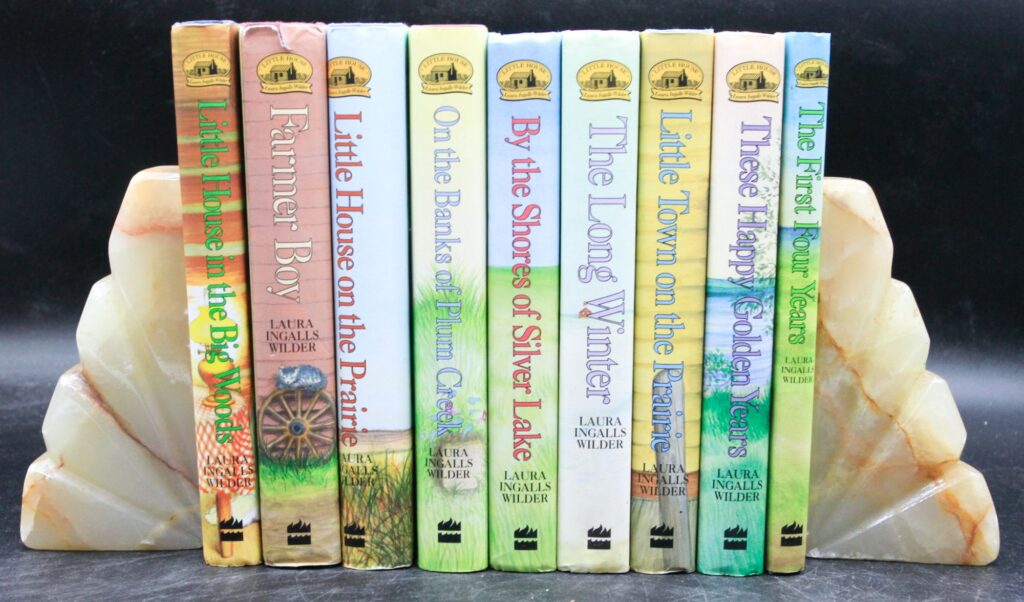
And this in a year when several other extraordinary novels were published, including John Dos Passos 1919, Faulkner’s Light in August, Graham Greene’s first successful novel, Stamboul Train, later called Orient Express, and a couple of Vladimir Nabokov’s. Laura Ingalls Wilder’s first Little House book came out.
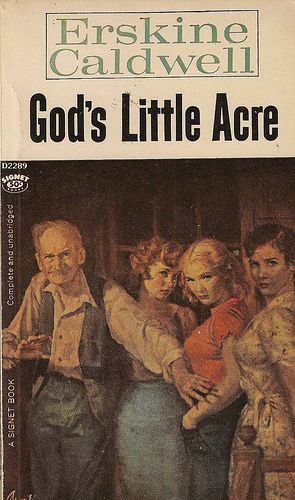
1933- You’d think the best book would be Gertrude Stein’s The Autobiography of Alice B. Toklas, because of its influence and popularity, but it reads like too much inside baseball to me. Best book of the year is Erskine Caldwell’s God’s Little Acre. Yep. For its time, and, well, for this time, quite shocking and stark and downright offensive, with themes of incest and poverty and exploitation. You’ll love it.
The onslaught of detective novels continues this year, with Earle Stanley Gardner entering the fray and Dashiel Hammet’s The Thin Man making his appearance. Another excellent novel appearing this year is Andre Malraux’s Man’s Fate, about a failed Communist insurrection in Shanghai.
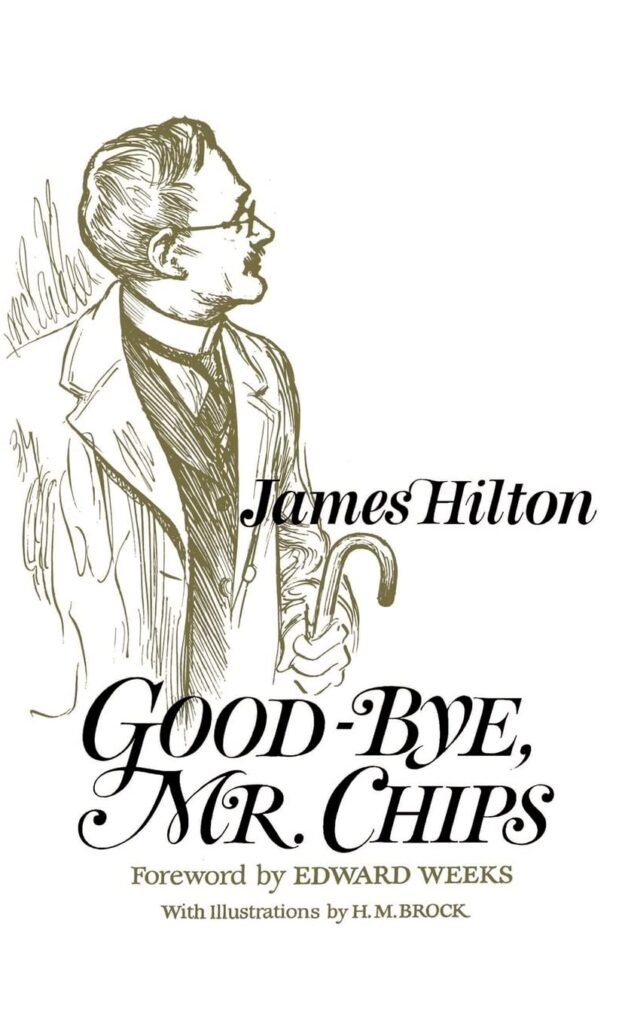
1934- Now you’d think it would be Henry Miller’s Tropic of Cancer with its grand influence on censorship and free expression, or F. Scott Fitzgerald’s Tender is the Night, but no. James Hilton, Goodbye Mr. Chips. Accuse me of sentimentality, but it is an extraordinary tale of a small life that wasn’t really all that small.
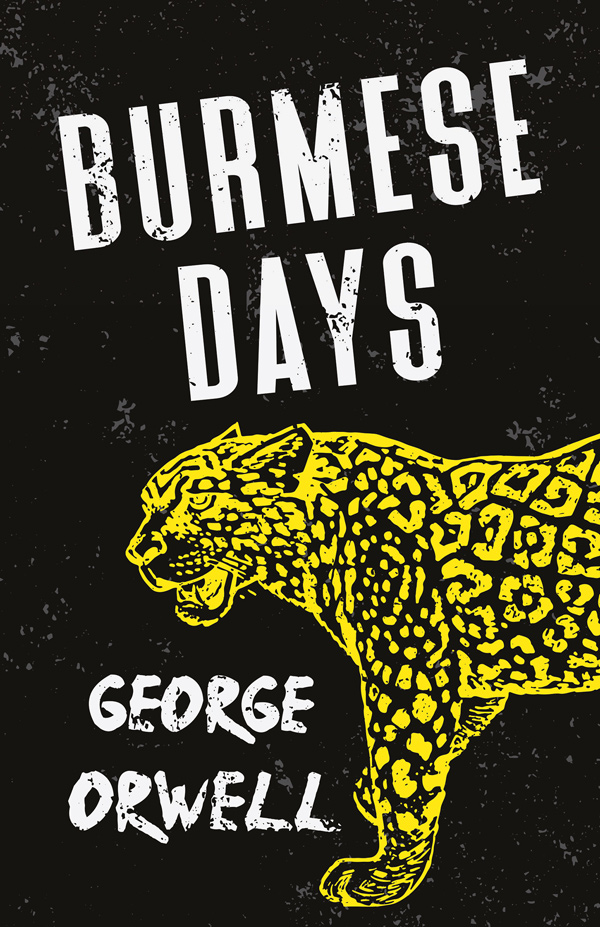
Lots of other great novels this year, including I, Claudius by Robert Graves and Irving Stone’s Van Gogh story, Lust for Life. The Postman Always Rings Twice, by James Cain and Agatha Christie’s Murder on the Orient Express came out this year, continuing the mystery novel wave. George Orwell published his first novel, Burmese Days.
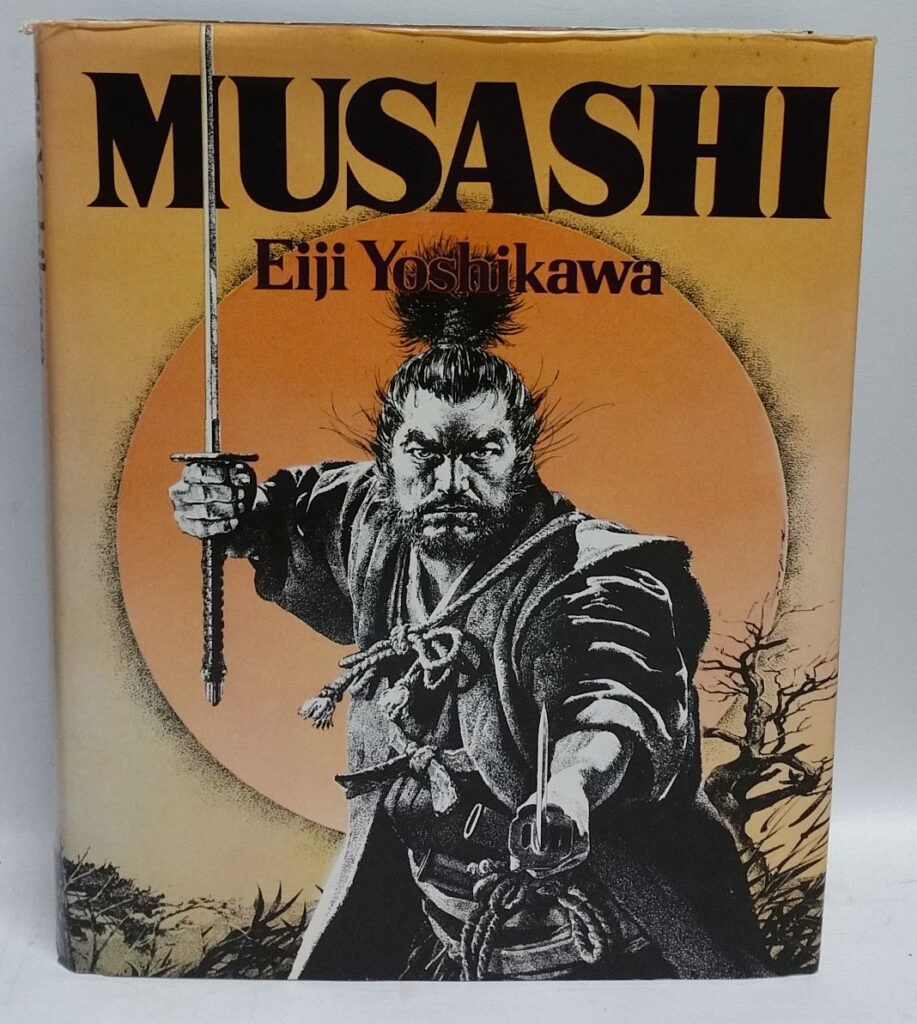
1935- Musashi, by Ejii Yoshikawa. An almost picaresque novel, it tells the story of Shinmen Takezo who, through the interventions of a Buddhist monk, becomes the renowned samurai, Miyamoto Musashi, the first samurai to use two swords. It helps that I happen to have a modern copy of the book, which weighs in at about ten pounds, I swear. This can be a tedious read, especially when you hit obviously difficult translations, but, if you like your sword slinging, worth your time.
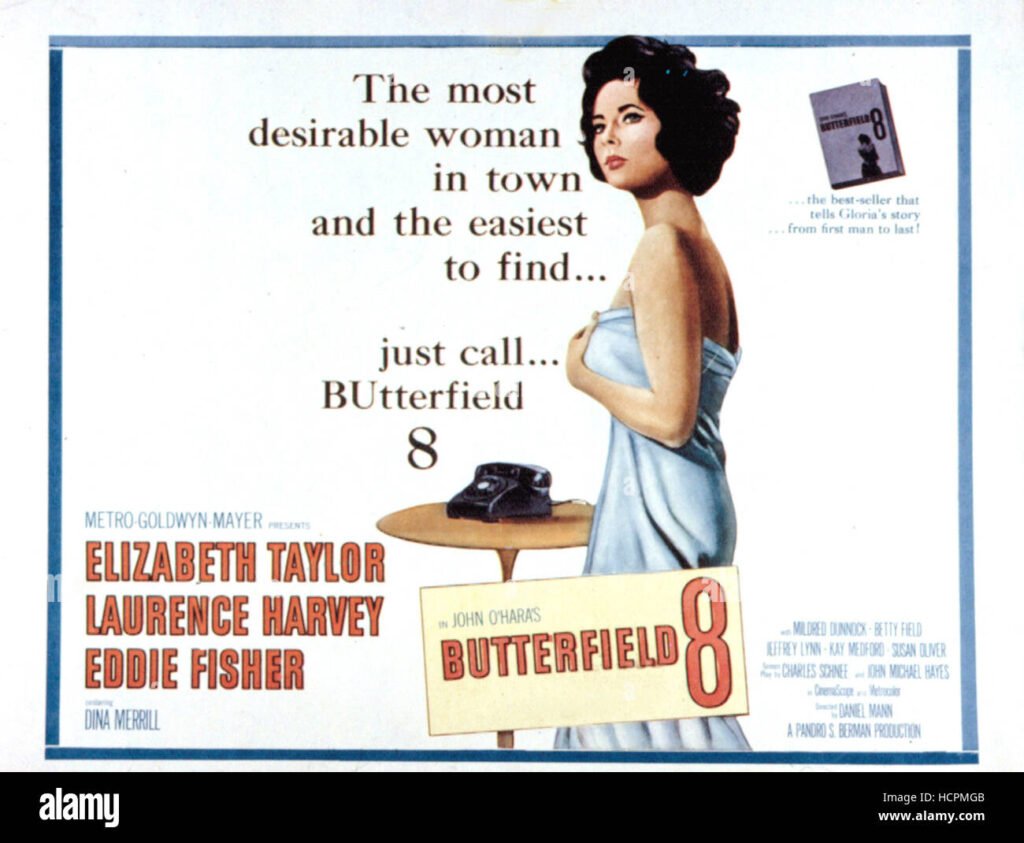
John Steinbeck’s Tortilla Flat came out this year, as well as John O’Hara’s Butterfield 8, later infamous as an Elizabeth Taylor movie. George Santayana’s The Last Puritan, which is a memoir in novel form, and a story collection by Jorge Luis Borges called A Universal History of Infamy, appeared. Little House on the Prairie, the title from which the series retroactively is known, came out this year, too.
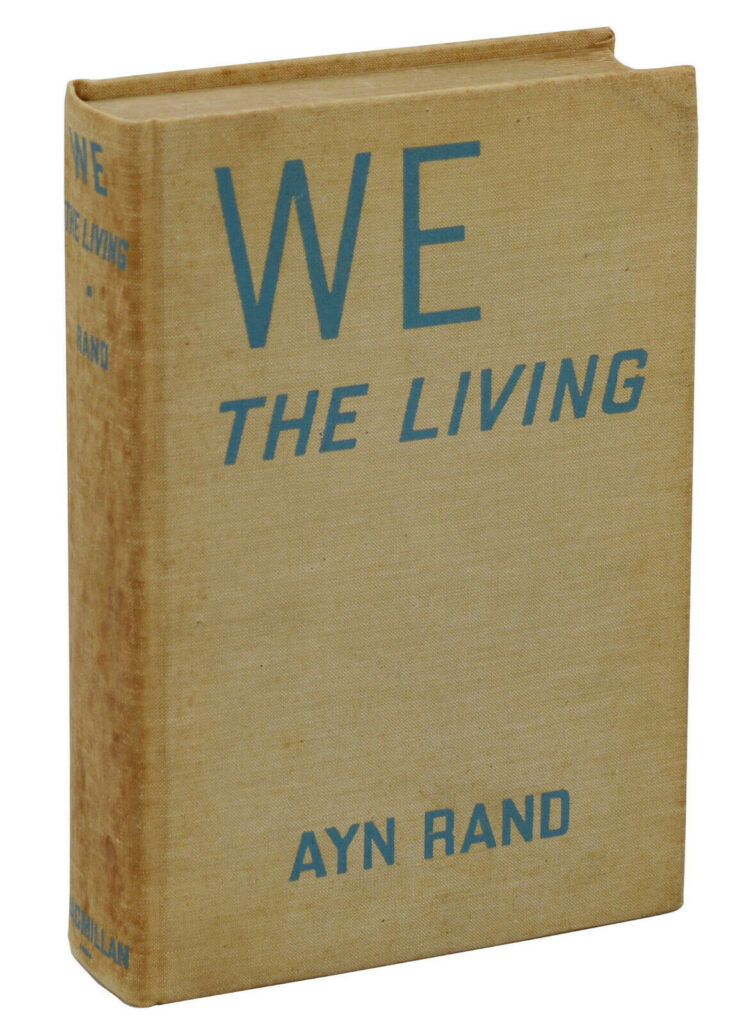
1936- We the Living, Ayn Rand, which is her debut novel and the groundwork for the later, shall we say, fanciful and polemical works. This is downright tame compared to Atlas Shrugged, although it is just as turgid in places. A far more realistic novel, it details the effects of the Communist Revolution on a middle-class Russian family, based on Rand’s own experiences. It was rather strongly opposed by many of the pro-Soviet American presses of the day, and less than 3000 copies of the first edition were printed.
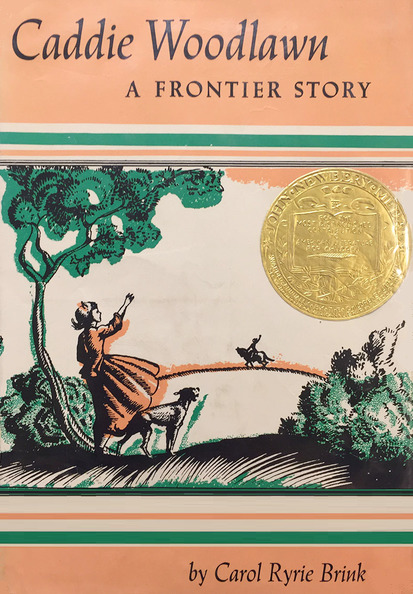
Faulkner’s Absalom, Absalom, George Orwell’s Keep the Aspidistra Flying, and Eric Ambler’s first novel, The Dark Frontier, about the development of a nuclear weapon – believe it or not – came out this year. As well as Gone with the Wind, Margaret Mitchell’s opus which I have yet to actually finish because, well, seen the movie, got the T-shirt. A much better Little House on the Prairie type of kid’s book came out this year, Caddie Woodlawn, by Carol Ryrie Brink.
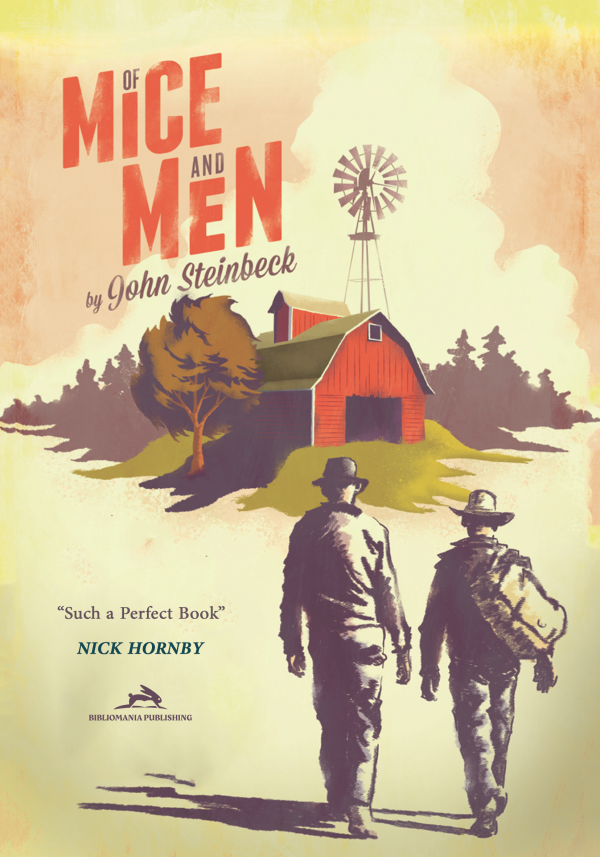
1937- John Steinbeck’s Of Mice and Men, the tragic tale of itinerant farm workers, George Milton and Lennie Small, which is a better novel about the Depression, IMO, than The Grapes of Wrath, which came out the following year, and which deals in much larger themes.
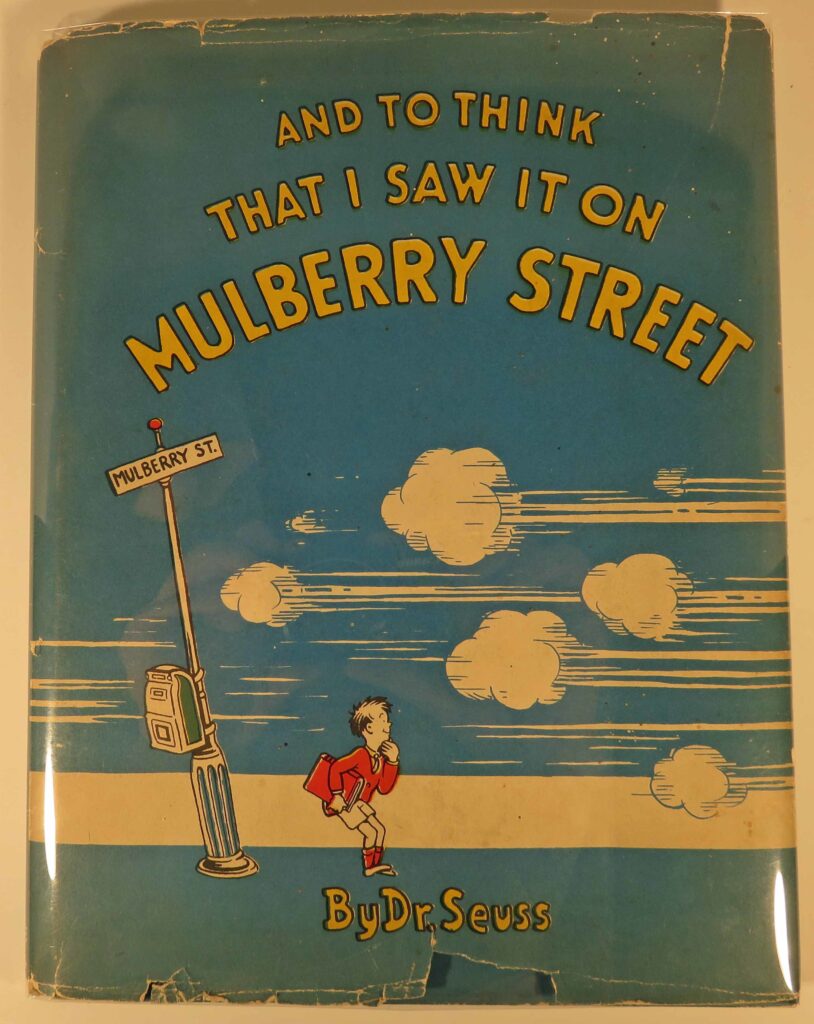
This was a good year for books, with Ernest Hemingway’s To Have and Have Not, Franz Kafka’s The Trial, and Zora Neal Hurston’s Their Eyes Were Watching God. Olaf Stapledon’s mind blowing scifi novel, Star Maker, appeared, as did Dr Seuss’ first, And To Think I Saw it on Mulberry Street. Oh, and some little book called The Hobbit was published in England.
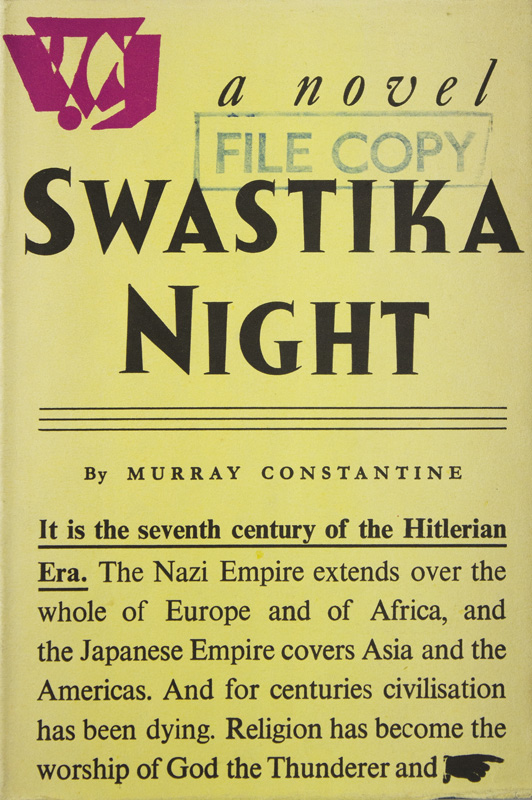
A rather unusual novel, Swastika Night, written by Kathrine Budekin under the pseudonym Murray Constantine, came out this year, predicting a world war that Germany and Japan wins and the imposing of a dystopian totalitarian society, ten years before Orwell’s 1984 and even more years before Philip K. Dick’s The Man in the High Castle. Wonder if they read it?
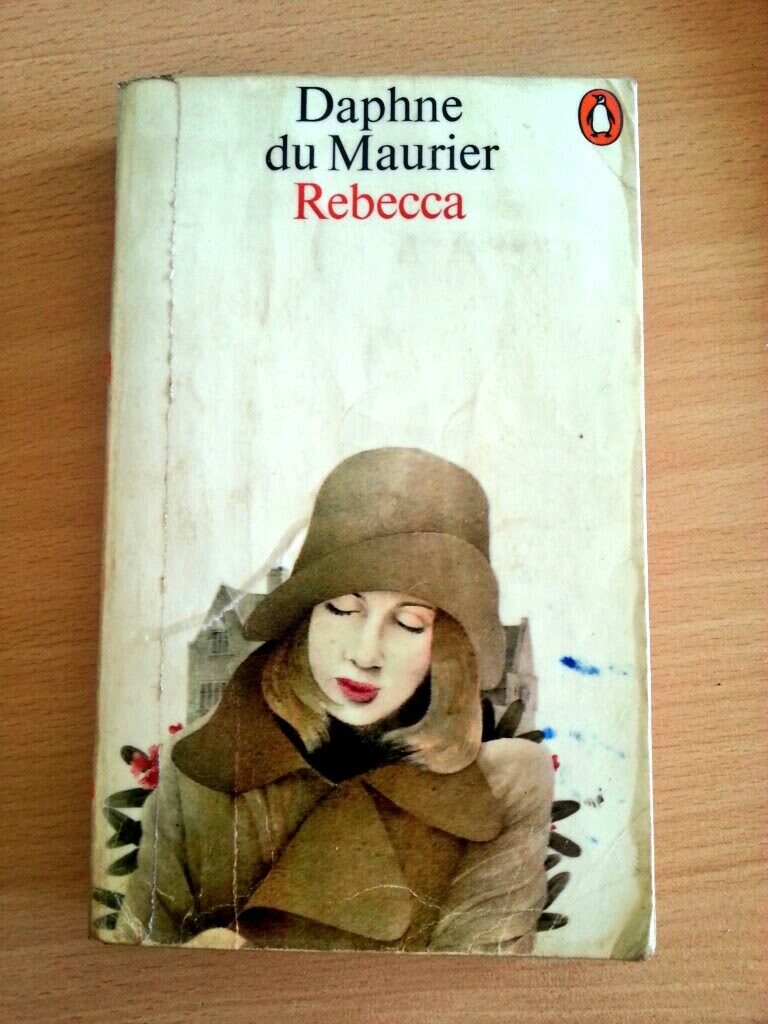
1938- Hitler annexes Czechoslovakia, Japan overruns Canton, and Neville Chamberlain declares peace in our time. Daphne du Maurier’s Rebecca, which is the gothic novel to end all gothic novels, dreams of Manderlay and ghosts that may not be ghosts. Quite the sensation, this, and actually well written, despite the popularity. It’s never been out of print.
And this in a year that saw several other extraordinary books, such as Taylor Caldwell’s first, Dynasty of Death, two more Horatio Hornblower novels by CS Forester, and CS Lewis’ Out of the Silent Planet, which is the first of his Space Trilogy.
By this time, there has been an explosion of publishing worldwide, as if the public was far more literate and far more willing to pony up the cash for the latest thing, despite the Depression. Same thing was happening with movies. Easy to understand, when the world is teetering on the brink: everyone needs a bit of distraction.
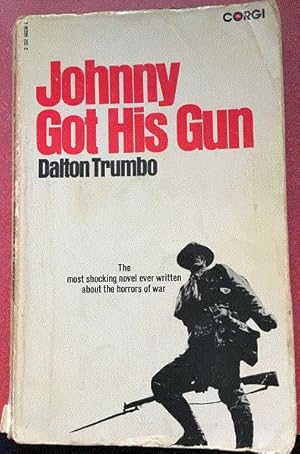
1939- Poland is divided between the Soviet Union and Nazi Germany, and things get out of hand rather quickly. The best book? Dalton Trumbo’s Johnny Got his Gun; in the face of what’s about to happen, its timing couldn’t be better, Or worse, depending on your view. Joe Bonham is hit by an artillery shell in the trenches of WW1 and wakes up in the hospital with no legs or arms, his face gone and completely unable to communicate except by banging his head on the pillow in Morse code. Very tough novel.
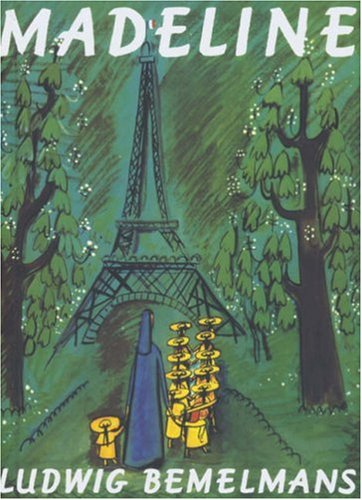
Lot of other tough novels came out this year, including Nathaniel West’s The Day of the Locusts, Henry Miller’s Tropic of Capricorn, and Ernest Hemingway’s The Snows of Kilimanjaro. Ludwig Bemelman’s Madeline came out, too, so at least something nice happened.
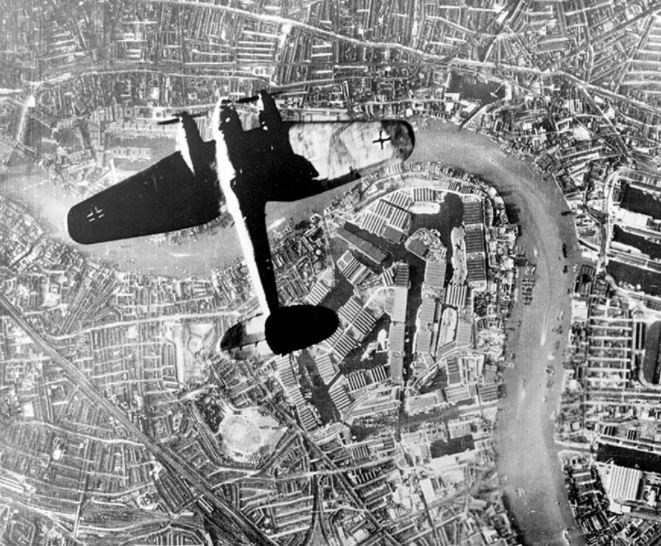
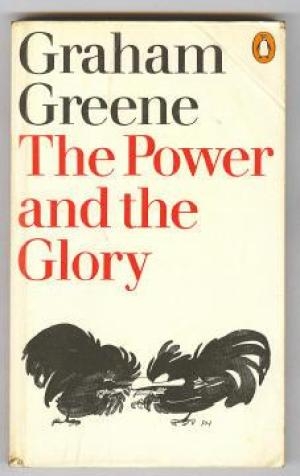
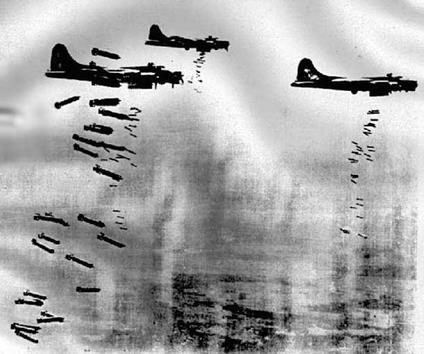
1940- The blitzkrieg across Europe, and Virgina Woolf and Graham Greene lose their respective London houses to the Blitz. Ironically, it is Greene’s novel, The Power and the Glory, which is the best book this year. The story of a disgraced priest in Mexico, it’s set during the little known Cristero War between the Catholic Church and the Mexican government, fought from 1926-1929.
Walter Clark’s The Ox-Bow Incident, Ernest Hemingway’s For Whom the Bell Tolls, and Arthur Koestler’s Darkness at Noon are some of the other great novels of the year. Richard Wright’s Native Son and Raymond Chandler’s Farewell My Lovely, the sequel to The Big Sleep, both came out this year.
A bad year. A bad decade. Let’s just hope the next ten years are better.