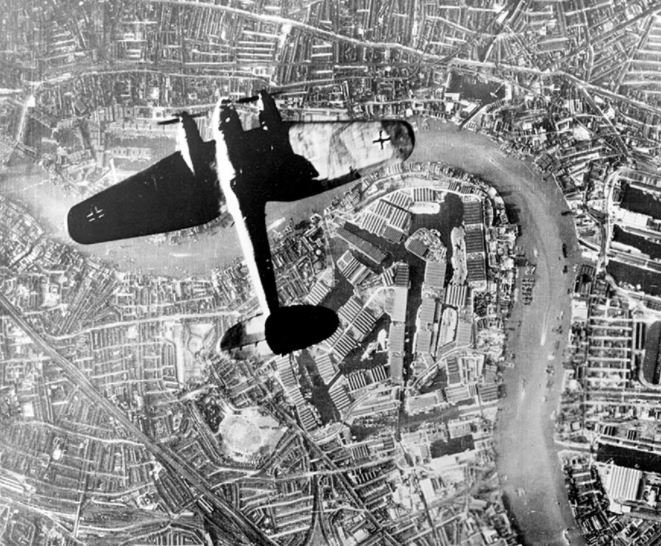
The war years, what looked very much like the end of civilization as mechanization and science raised casualties to unbelievable numbers and the pseudo-philosophies of Fascism and Marxism employed that mechanization and science for the wholesale murder of despised populations. Ah yes, eugenics, the science everyone trusted in the 1920s and 30s, come home to roost. Dr. Mengele, Heinrich Himmler … funny how anything can be justified in the name of science.
You’d expect the books published during this decade to have the world war as their main theme but you have to remember books were in the publishing pipeline months before Hitler invaded Poland and Japan attacked Pearl Harbor. Given that, war themes should start to appear around 1942, 43. But we start in:
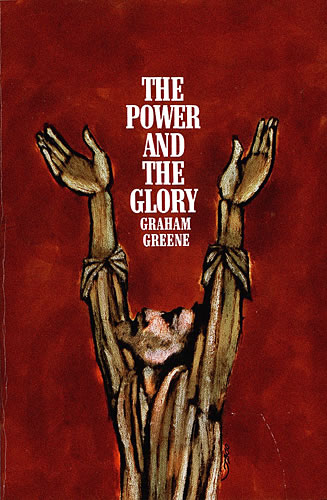
1940- with Graham Greene’s The Power and the Glory, which I’ve already reviewed in another post. This is going to be a fairly decent decade for Greene
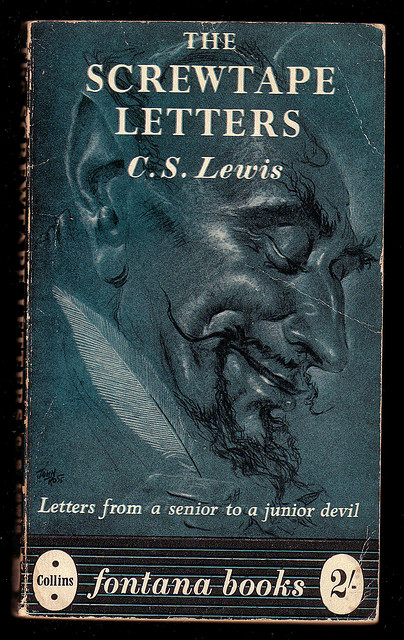
1941- CS Lewis, The Screwtape Letters. This tongue-in-cheek correspondence between Screwtape, a senior devil, and Wormwood, an apprentice tempter, examines the human condition from the devil’s viewpoint. Dedicated to Tolkien, Lewis used this as a vehicle for his rather strict Christian apologetics.
There were lots of good novels published this year, including L. Sprague de Camp’s Lest Darkness Fall, which is an update of A Connecticut Yankee in King Arthur’s Court, this time about a professor who ends up in Byzantine Rome; AJ Cronin’s The Keys of the Kingdom, which spans sixty years of a Catholic priest’s efforts to establish a mission in China; and Mildred Pierce, by James M. Cain; and August Derleth’s first story collection, Someone in the Dark, which was the second Arkham House novel published. Incidentally, in 1967, Arkham House announced they had found a small stock of this book and would sell them for $5, Derleth implying they were 1941 first editions, when they were actually printed in 1965. Another scary story.
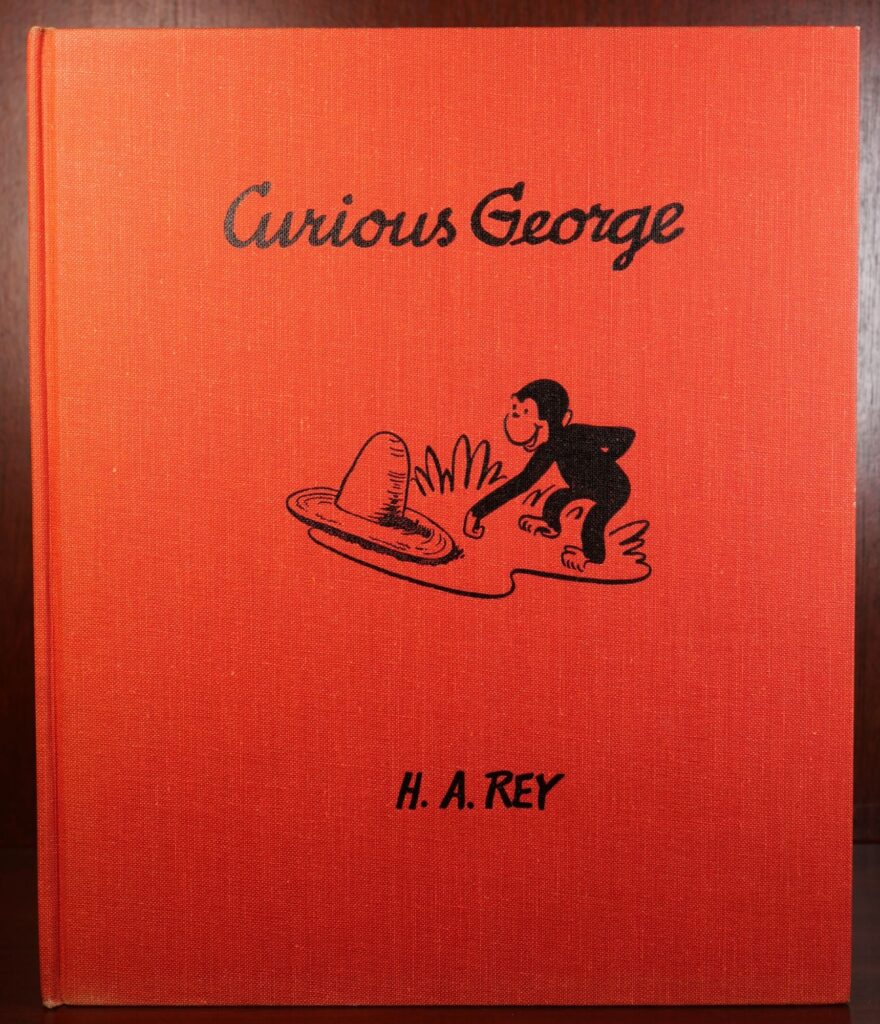
The first Curious George story came out this year.
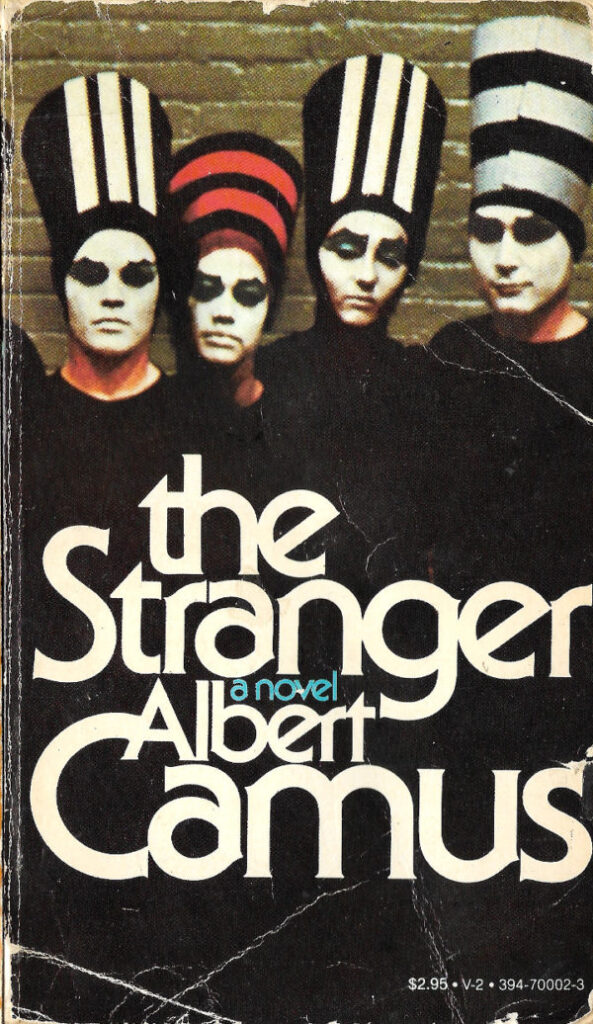
1942- The Stranger, Albert Camus. The story of Mersault, a Frenchmen living in Algiers, before and after he murders an Arab. It has been called an existentialist novel, although Camus denies such a label.
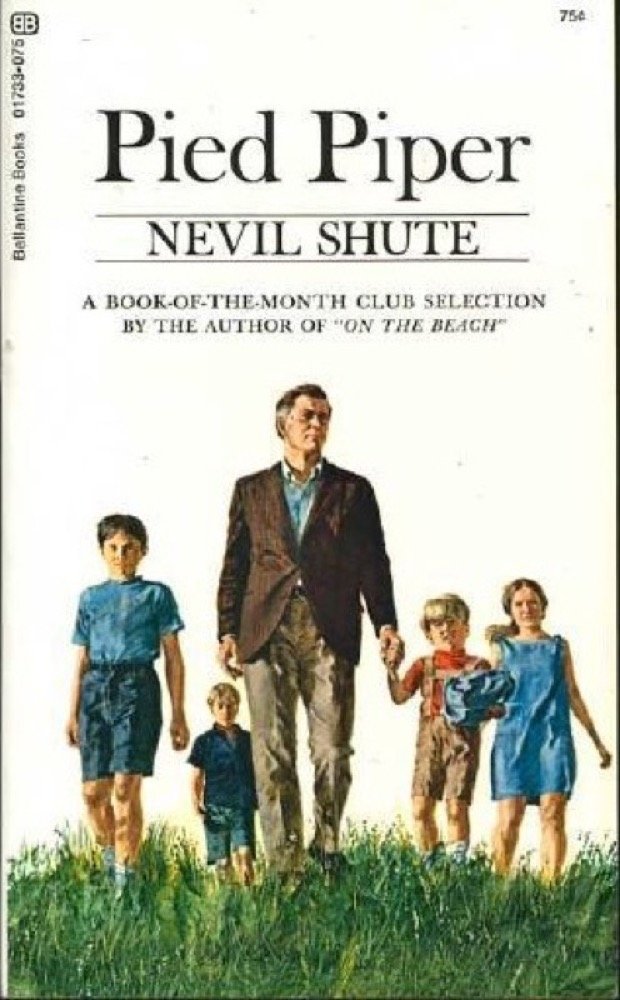
Two actual war novels came out this year, John Steinbeck’s The Moon is Down, which is set in an unnamed country suffering occupation by an invading force but, c’mon, this is easy to figure out. Steinbeck wrote it to inspire resistance units in unnamed countries that were being occupied by invading forces. The other is John Brophy’s Immortal Sergeant, which is about a British unit fighting in the North Africa campaign. Considering the North Africa campaign was still on going, this was some quick writing and publishing. Actually, there is another war novel at this time, Nevil Shute’s Pied Piper, about an Englishman caught in the blitzkrieg who takes several children from France to safety in England.
Scifi was poking its head up, too, with Curt Siodmak’s Donovan’s Brain and Robert Heinlein’s Beyond This Horizon. Arkham House issued its third publication, Clark Ashton Smith’s story collection, Out of Space and Time, which includes the Hyperborea cycle, for those of you who know your Cthulhu trivia.
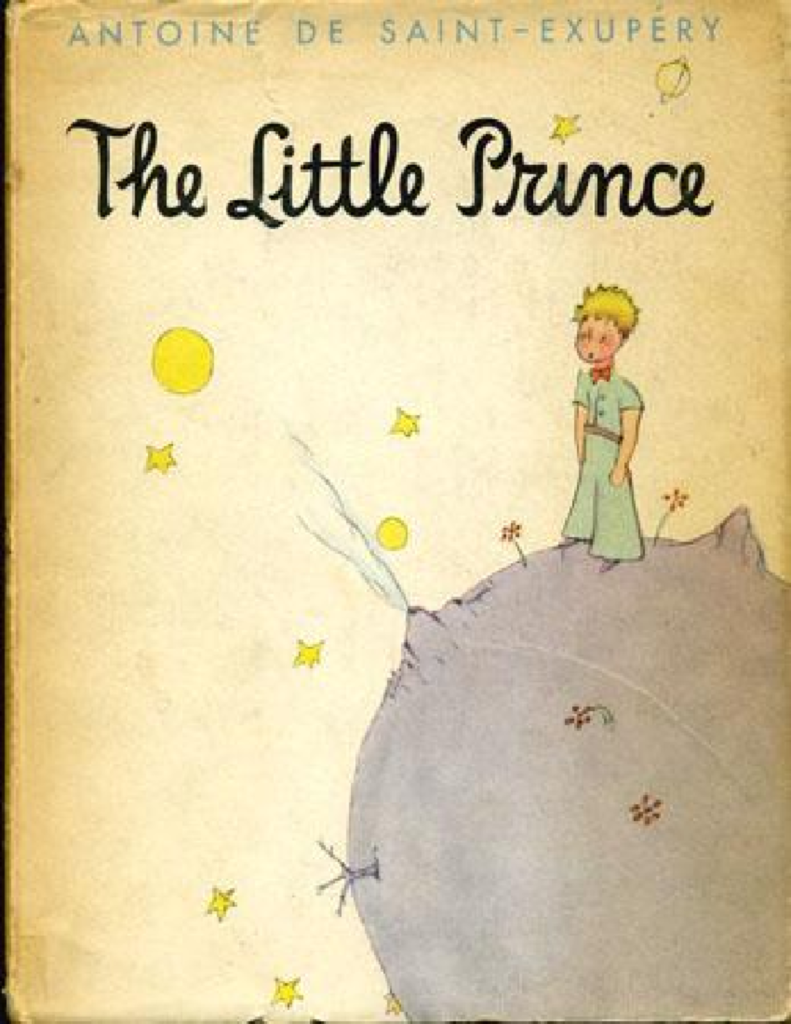
1943- the turning point of the war, with the Stalingrad Siege ending in a Russian victory and the brutal island-hopping campaign bringing us ever closer to Japan. Jack Kerouac is discharged from the Navy after 8 days of service on psychiatric grounds. Ayn Rand’s The Fountainhead came out this year, as did Betty Smith’s A Tree Grows in Brooklyn, but the best book of the year is a children’s story, Antoine de Saint-Exupery’s The Little Prince. A little boy from Asteroid B-612 regales a crashed pilot with tales of his travels through the universe as the pilot attempts to fix the aircraft. It’s really a story for adults, with a rose under glass that only the prince can love, and a lamplighter on a planet so small that night only lasts a minute (so you can imagine how busy he is). Incidentally, Saint-Exupery crashed near the Nile delta during an air race from Paris to Saigon and almost died of thirst, suffering many hallucinations. And here they are.
1944- D Day, and the transmission of Paul Verlaine’s “wound my heart with a monotonous languor” to the French Resistance signaling The Longest Day is upon us. William Golding commands a landing craft at Gold Beach and JD Salinger lands at Utah Beach. And the best book is W. Somerset Maugham’s The Razor’s Edge, the story of a traumatized WW1 pilot’s search for enlightenment. It looks like Maugham and Hermann Hesse were tag teaming an introduction of Eastern mysticism to the West.
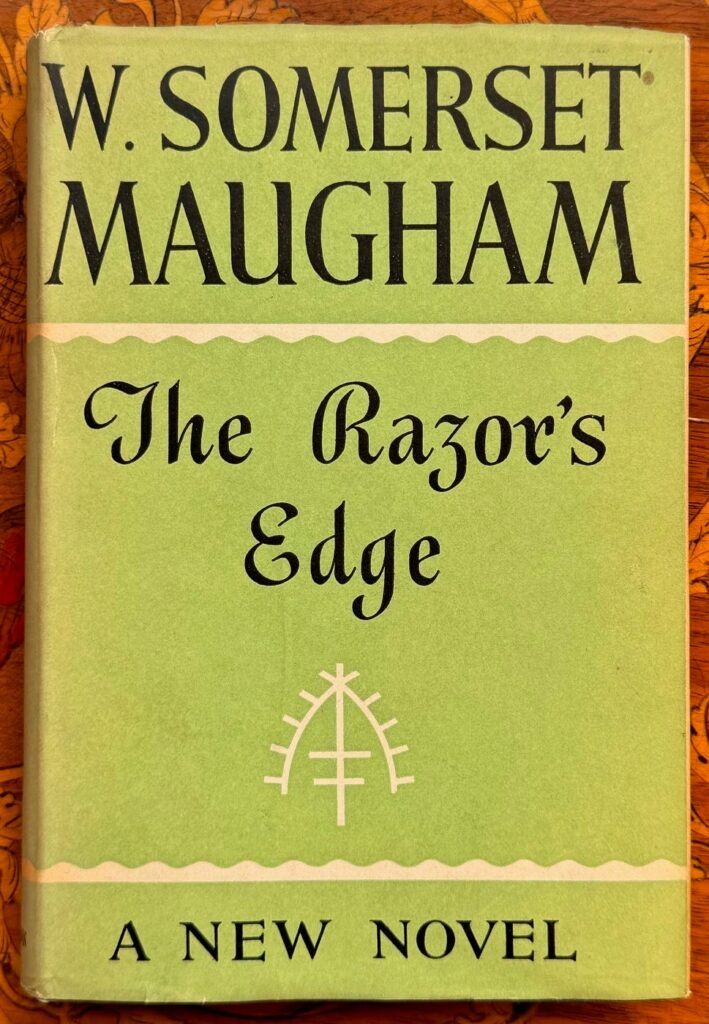
Anais Nin’s Under a Glass Bell appeared, which is the first of her novels that gained literary attention. Charles R. Jackson’s The Lost Weekend, a brutal recounting of a five-day drunken binge that became a movie in 1945. Arkham House published its third release of H P Lovecraft material called Marginalia, and Clark Aston Smith’s second story collection, Lost Worlds.
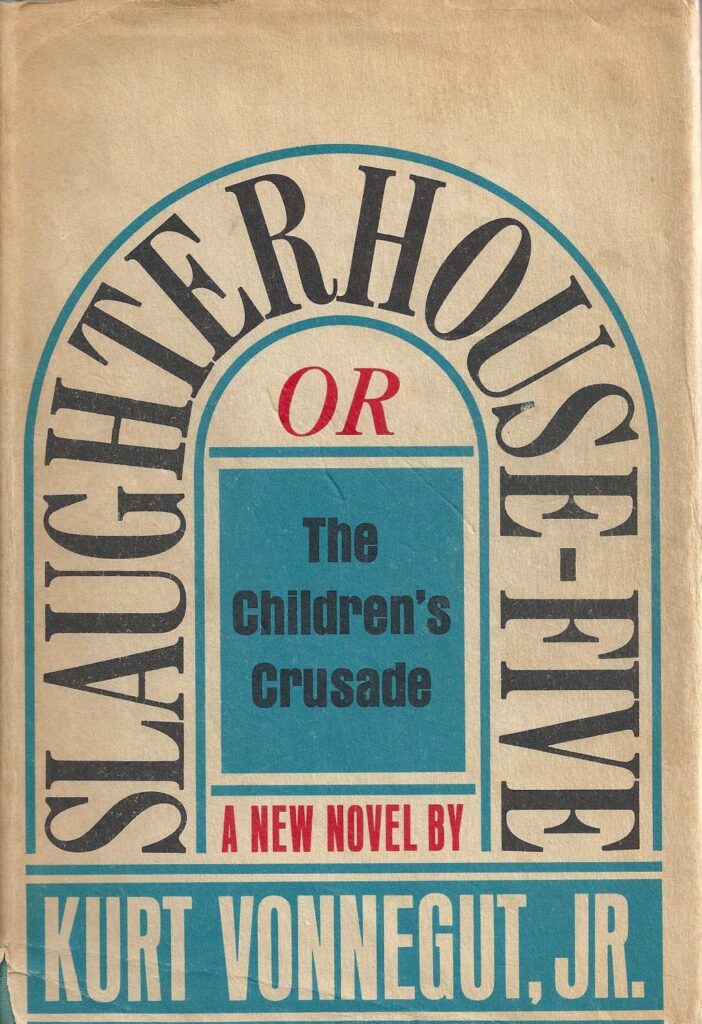
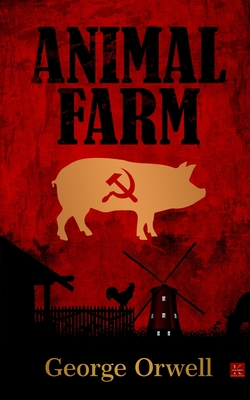
1945- VE Day, VJ Day, with half of Europe overrun by the Soviet Army and the United States transformed into the world’s first nuclear power. Everything changes this year. Everything. Alexander Solzhynitzyn is sentenced to 8 years in the gulag for criticizing Stalin, POW Kurt Vonnegut survives the fire bombing of Dresden. Some great novels came out this year, including John Steinbeck’s Cannery Row and Evelyn Waugh’s Brideshead Revisited, but the hands down best was George Orwell’s Animal Farm, an allegory of the Bolshevik Revolution and Stalin’s rise, a warning we are, for some reason, ignoring today.
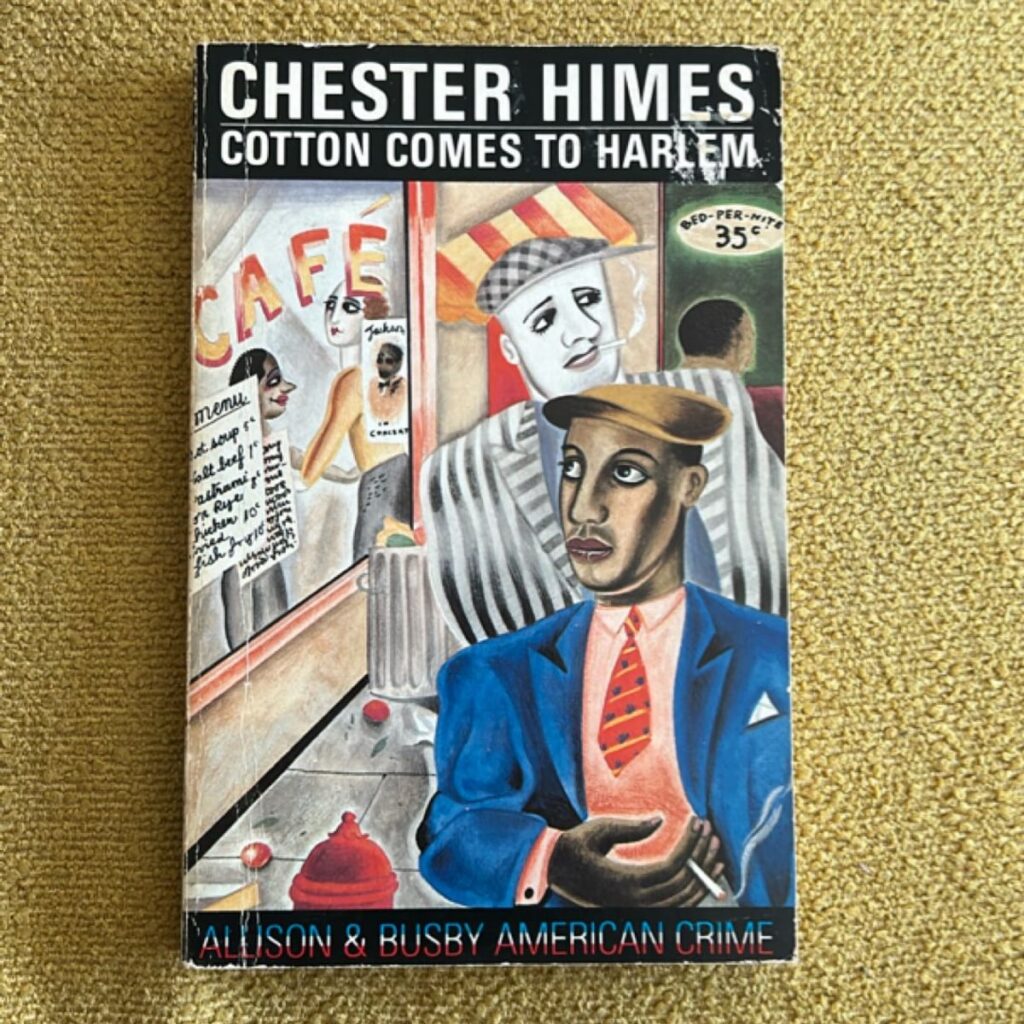
Arkham House published a posthumous Lovecraft novel The Lurker at the Threshold, co-written with August Derleth, and a collection of Le Fanu stories. Chester Himes protest novel, If He Hollers Let Him Go, about a black man working in a Los Angeles shipyard, came out this year. Chester Himes goes on to create the legendary black detective duo Gravedigger Jones and Coffin Ed Johnson in his Harlem detective series including such novels as A Rage in Harlem and Cotton Comes to Harlem.
1946- Peace and recovery breaks out all over the world and Ezra Pound is deemed too insane for a treason trial and is incarcerated in St. Elizabeth’s hospital. Thomas the Tank Engine debuts, as does another favorite children’s book, The Littlest Angel. Madeline L’Engle publishes her second novel, Ilsa, and the second Pippi Longstocking book is published. Children’s literature is popular again, what with the end of wholesale genocide and the baby boomers beginning to show up. Even Graham Greene publishes a children’s book, The Little Train.
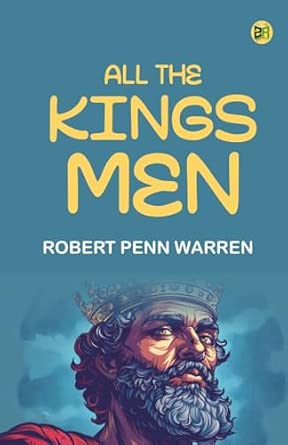
But the best book of the year is Robert Penn Warren’s All the King’s Men, his barely fictional account of Louisiana senator and demagogue Huey Long’s rise to power. Simone de Beauvior came out with All Men Are Mortal; Pat Frank with his first novel, Mr. Adam, which was his first foray into the post-apocalyptic genre before the masterful, Alas, Babylon. Gore Vidal’s first novel, Williwaw, and A E Van Vogt’s Slan came out this year.
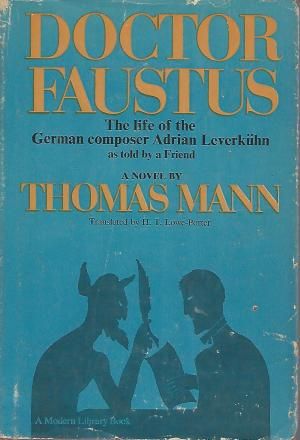
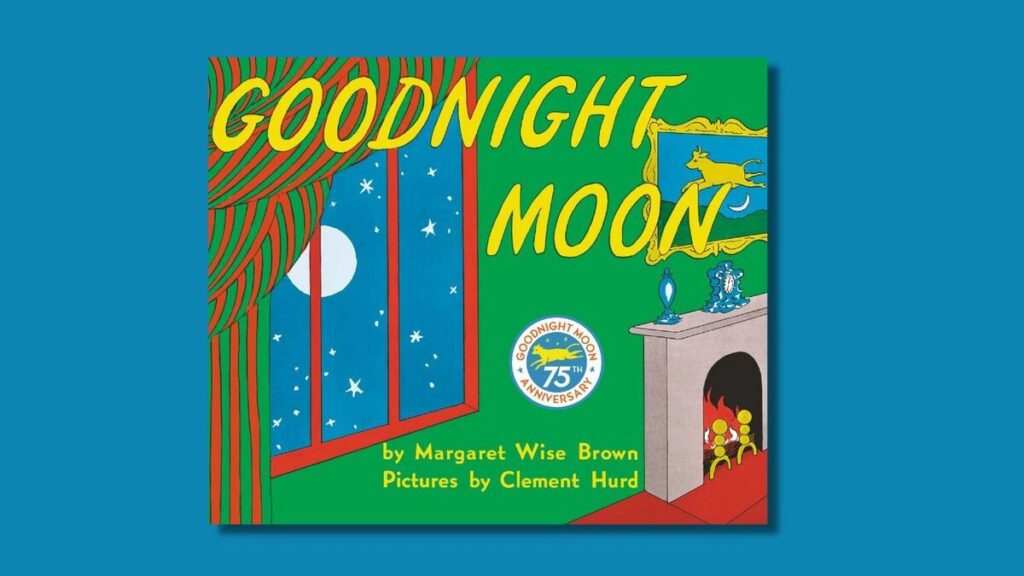
1947- The dead Sea Scrolls are discovered and the first UFO sightings are reported, at Mt, Rainier. Dalton Trumbo refuses to testify before Joseph McCarthy and Jack Kerouac begins the journeys that will culminate with On the Road. The best novel of the year is Tomas Mann’s Doctor Faustus, an updated version of the Faust legend in which a composer deliberately infects himself with syphilis so the resultant madness will inspire his work. Ray Bradbury debuted this year with Dark Carnival, as did Mickey Spillane with I, The Jury. And Goodnight Moon comes out.
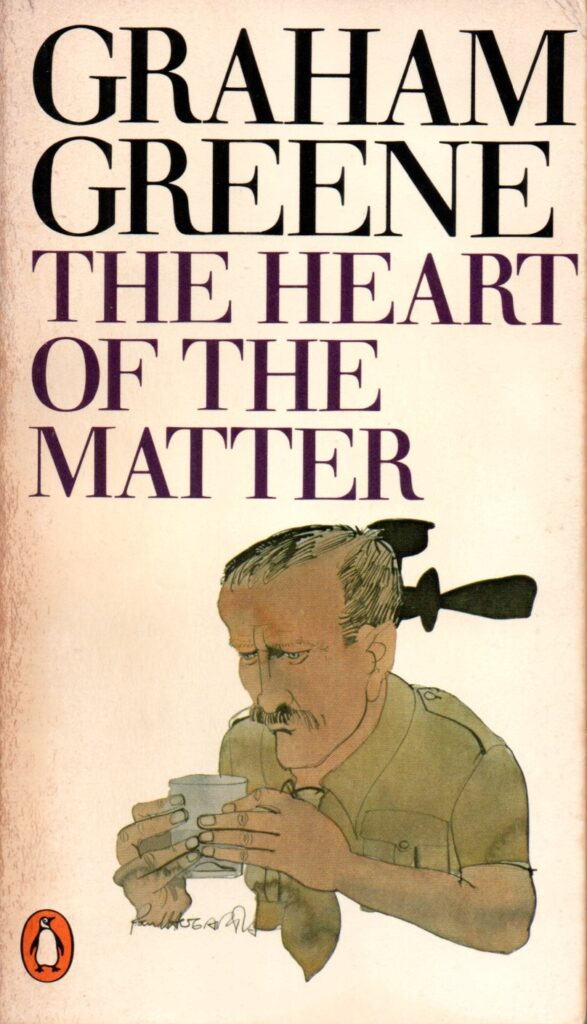
1948- Pablo Neruda speaks out in the Chilean assembly and has to go into hiding, while W. B. Yeats is reburied in County Sligo with the epitaph, Horsemen, Pass By. Lots of excellent novels came out this year, including Hallidor Laxness Nobel Prize winning The Atom Station, a story of a backwoods Icelandic girl who takes a job in the big city of Reykjavik; Russ Lockridge Jr’s Raintree County; Nevil Shute’s No Highway, and Norman Mailer’s The Naked and the Dead, among others. But the best novel is Graham Greene’s The Heart of the Matter, the story of a hapless inspector assigned to an obscure African post during WW2.
Zora Neal Hurston’s last novel, and the only one that deals with white characters, Seraph on the Suwanee, came out this year, as did Alan Paton’s Cry, the Beloved Country.
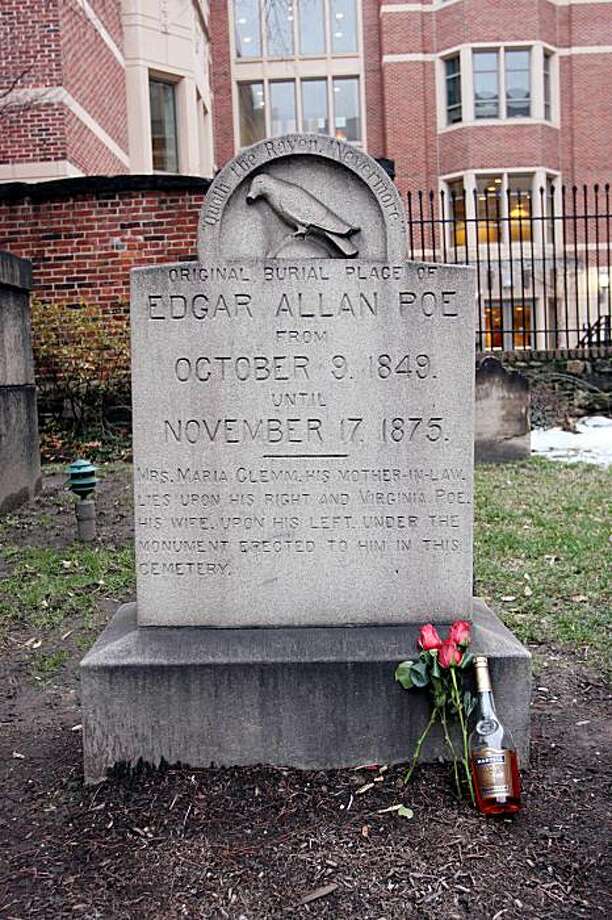
1949- The first appearance of the man in black at Edgar Allen Poe’s grave, leaving cognac and three roses on the occasion of Poe’s birthday, occurred, with a pretty much unbroken string for several years after. Mother Courage and Her Children is performed in Germany and Death of a Salesman on Broadway. George Orwell dies in Jan 1950, mere months after 1984, which is probably the best book of the century, let alone the year, comes out.
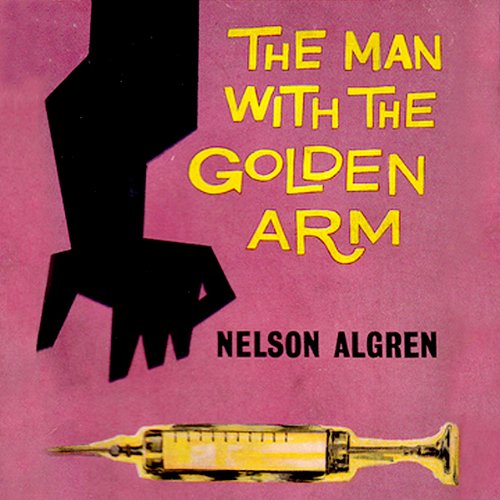
Shirley Jackson’s The Lottery and Other Stories appears, as does Graham Greene’s The Third Man. But the best novel is Nelson Algren’s The Man with the Golden Arm, the story of small time card cheat and con man Frankie Machine, who develops a heroin addiction after being wounded in WW2. Nevil Shute’s story of Japanese POWs, A Town Like Alice, and Harold Robbins’ Hollywood novel, The Dream Merchants, also appear.
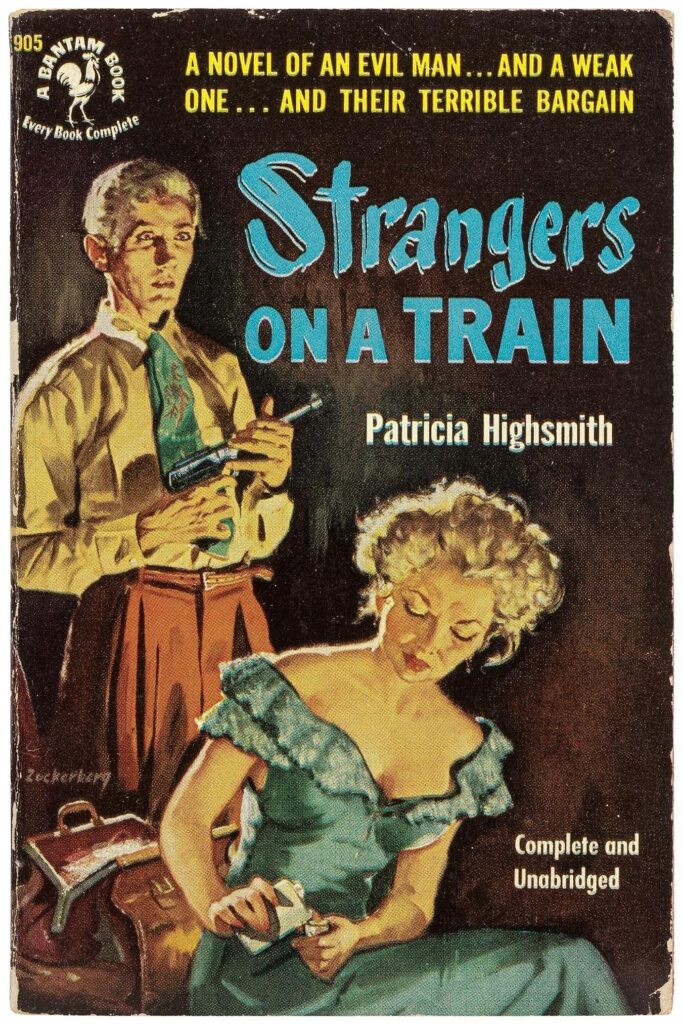
1950- we end the devastating 40s and launch into those fabulous 50s, when America ruled the world, as did Coca Cola and rock and roll. Galaxy Science Fiction magazine debuts, as does Isaac Asimov’s Pebble in the Sky and I, Robot. George Bernard Shaw dies after falling out of a tree he was pruning and Peanuts starts its newspaper run. Ray Bradbury’s Martian Chronicles is published, so there’s a wealth of best books to choose from this year, including CS Lewis’ The Lion, The Witch, and the Wardrobe, and Dr, Seuss’ Gerald McBoing Boing. But the best is Patricia Highsmith’s Strangers on a Train, the cautionary tale of going into business with people you don’t really know.
A future so bright you gotta wear shades.